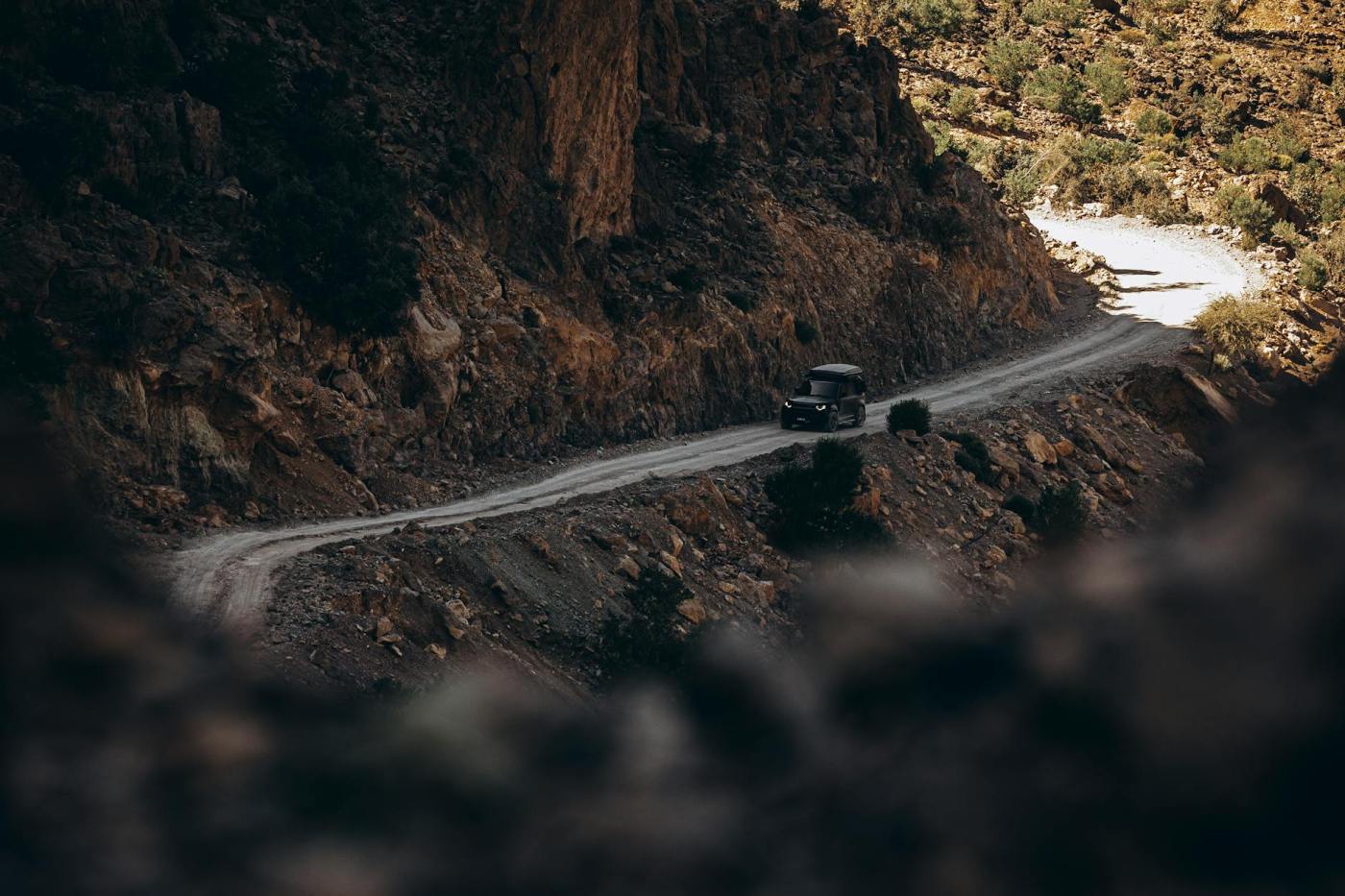
Drivetrain – a set of components that work together to help the engine talk to the wheels.
In car and driver terms – it helps send power from the engine to the wheels.
There are 4 types of drivetrains in this world:
Front Wheel Drive (FWD)
All the engine power is sent to the front wheels. So the front wheels do most of the work. The car is being pulled down the road by the front wheels. FWD is known for providing better traction and in turn good handling. You have a stable drive.
Note: Works well on icy roads.
Rear Wheel Drive (RWD)
RWD – the default drivetrain when the first cars were developed. Here all the engine power is directed to the rear wheels. Picture the car being pushed down the road by the rear wheels. Handling is excellent and very responsive. So the stability of the drive depends on how stable the driver is, lol, since the handling is very responsive.
Note: Not too good on icy roads.
Four Wheel Drive (4WD)
Four Wheel Drive – every drivers dream transmission. As the name suggests and since you have read so far, the engine power is sent to all four wheels of the car, offering superior traction and handling. Nowadays cars usually come with the part-time system option. Meaning, the driver needs to engage it when required. The driver needs to switch on 4WD.
Note: Good on all roads especially when there is no road.
All Wheel Drive (AWD)
Shout out to Audi – their Quattro system is AWD. Again, similar to 4WD, in AWD engine power is sent to all four wheels. But unlike 4WD which has the option of coming in as a part-time system, AWD is always engaged. The car decides based on sensors whether to shift from two-wheel drive to AWD and vice versa.
Note: Good on all roads, especially slippery and icy roads during the rains/snowfall.
And there you have it – the different types of drivetrains.
Until next time! And since your knowledge has been transformed with an upgrade in system information, in the words of Optimus Prime – TRANSFORM AND ROLL OUT!
 French Vanilla
Leave a comment